

Monkeypox, a viral illness related to smallpox, has been making headlines in recent days due to a significant global outbreak. While it’s not as contagious as COVID-19, understanding its symptoms, transmission, and prevention is crucial for public health.
What is Monkeypox?
Monkeypox is caused by the monkeypox virus, a member of the ortho poxvirus family. It’s a zoonotic disease, meaning it can be transmitted from animals to humans. While it was initially discovered in monkeys in 1958, humans can also spread it to each other.
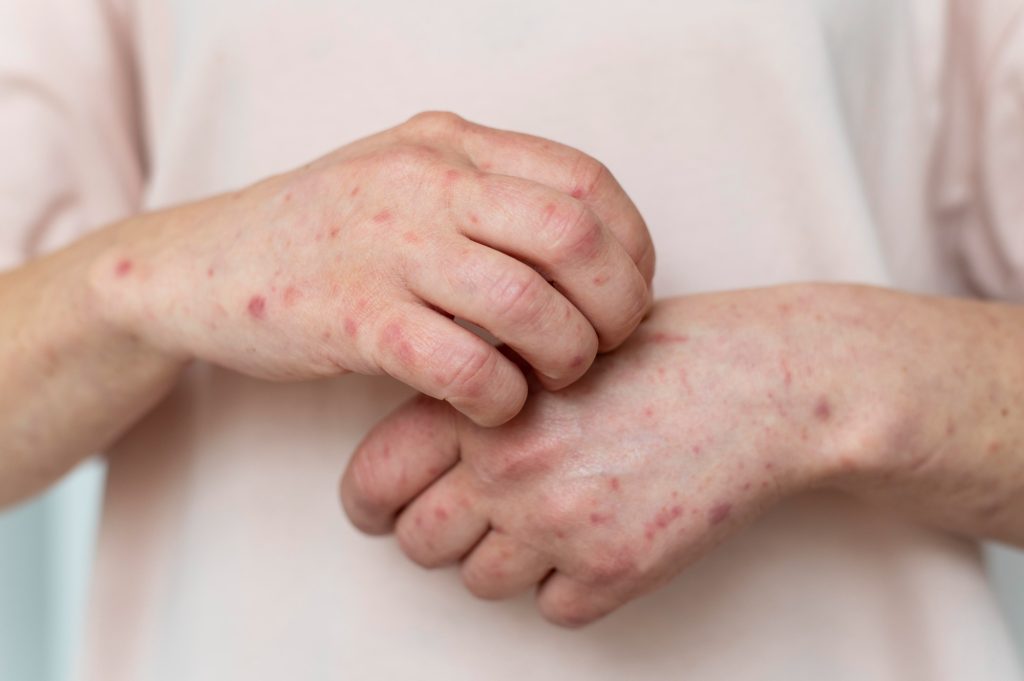
Symptoms of Monkeypox
Symptoms typically appear within two weeks of exposure and can include:
- Fever
- Headache
- Muscle aches
- Backache
- Swollen lymph nodes
- Fatigue
- Cough
- Sore throat
- Runny nose
One of the most distinctive symptoms of the virus is a skin rash that can appear anywhere on the body. It often starts as small, red bumps that can look like pimples or blisters. These bumps may fill with clear fluid and then crust over.
Transmission
It can be transmitted through:
- Close contact with infected animals (e.g., rodents, primates)
- Direct contact with a person who has a rash/lesions
- Contact with contaminated materials such as clothing, bedding, or towels
- Respiratory droplets from an infected person
Prevention and Treatment
While there’s no specific treatment for monkeypox, supportive care can help manage symptoms. Vaccination against smallpox can also provide some protection against it.
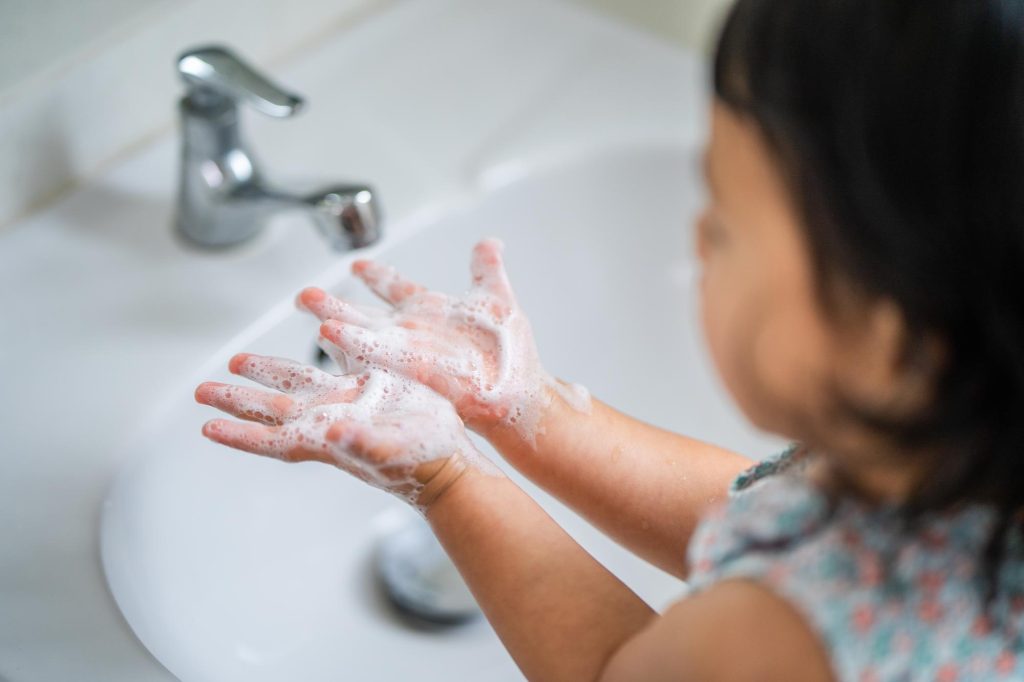
To prevent the spread of the virus, it’s important to:
- Avoid close contact with people who have a rash
- Wash your hands frequently with soap and water
- Avoid touching your face, eyes, and mouth
- Stay home if you’re sick
If you’re concerned about monkeypox symptoms, it’s essential to seek medical attention. Early diagnosis and treatment can help prevent complications.
Read more here:
Mask4AllPH: Protection and Provision for the Urban Poor – GoDyaryo
Food Safety Tool for Home-based/Online Food Sellers – GoDyaryo



helo